
Team Building for Remote and Hybrid Teams: What Works In Person
Why the in-person offsite is the highest-leverage event on a remote team's calendar, how to pick a format by team size, and how to run the day so the trust survives back on Slack.
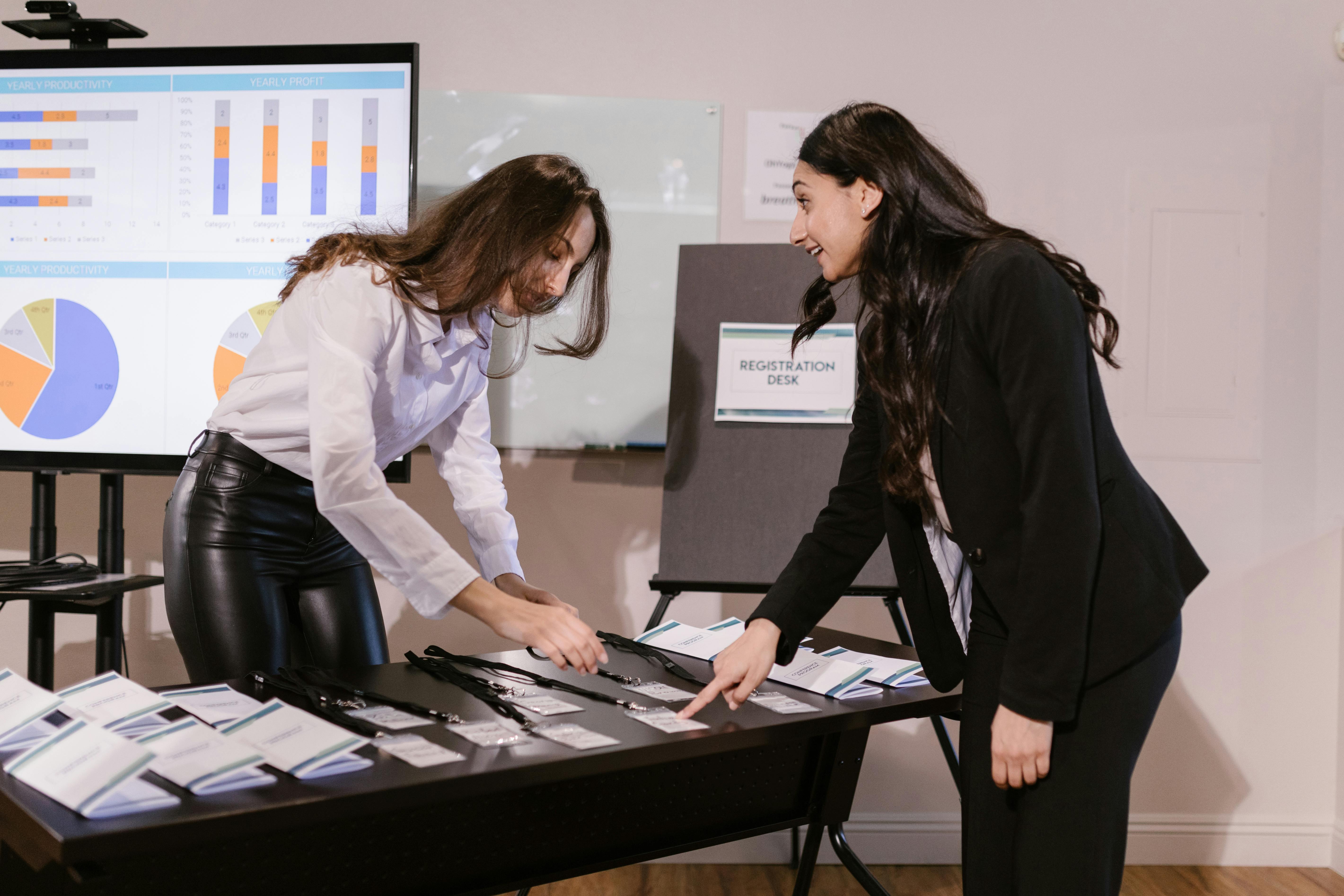
For remote and hybrid teams, in-person time is scarce and expensive — so don't spend it on meetings you could have held on video. Anchor each offsite around a hosted, team-based experience sized to your headcount, because shared experience builds the trust that agendas can't.
Remote teams don't lack information flow; they lack the relationship layer that makes hard conversations cheap. That layer is built in person, and it's built faster through shared experience than through conference-room agendas. The working pattern: a recurring offsite cadence, with at most half the time on work content and a professionally hosted experience as the anchor — escape rooms and murder mysteries for teams under 60, scavenger hunts and game shows up to a few hundred. A host matters even more for remote teams, because many attendees are meeting in person for the first time and someone has to engineer the mixing. Pick the city by where your people and a real host roster overlap, and end with something people will reference later.
The case for in person, made honestly
Remote work didn't break information flow. Standups, docs, and dashboards survived the transition fine. What thinned out is the relationship layer — the accumulated familiarity that makes it cheap to disagree with someone, ask a dumb question, or flag a problem early. On co-located teams that layer builds itself in hallways. On remote teams it has to be built on purpose, and video is a poor tool for it: scheduled, observed, and gone when the call ends.
That's the honest case for the in-person offsite. Not that offices were magic, but that trust compounds fastest in shared physical experience — and for a distributed team, those hours are scarce and expensive. Flights, hotels, and a week of disrupted calendars are a real investment. The sin is spending that investment on eight hours of presentations that could have been a document.
A useful rule: anything that works on video should stay on video. Reserve in-person time for what video can't do — which is exactly the unstructured, high-bandwidth, shoulder-to-shoulder time that team building formats are built to generate.
Why the offsite needs an anchor experience
Most offsite agendas are meetings with better catering. The fix is to anchor each offsite around one designed experience — a real event with a host, stakes, and an ending — and let the work sessions arrange themselves around it.
The anchor does three jobs. It gives the offsite an emotional peak, which is what people actually remember and reference for months afterward. It forces cross-team mixing in a way that dinner seating never will. And it gives teammates who have only ever been Slack avatars to each other a fast, low-stakes way to become people.
That last job is why a professional host matters even more for remote teams than for co-located ones. At a distributed company's offsite, a meaningful share of the room is meeting face-to-face for the first time. Left alone, they'll cluster with the coworkers they already know. A trained host engineers the mixing — team assignments, rotations, shared challenges — so nobody has to network cold. Hosted formats like the ones on the Showcraft team building roster are built around exactly this.
Choosing a format by team size
Format selection is mostly a headcount problem. A brilliant format at the wrong scale is a bad event. Working bands:
- 8 to 15 people (a single team): a mobile escape room session or a private murder mystery. At this size the goal is depth — one shared, intense experience the whole team goes through together. Pair it with a long dinner and you've done more for team trust than a quarter of retros.
- 15 to 60 people (a department or small company): a themed murder mystery or a custom game show. Big enough for real inter-team competition, small enough that the host can make individuals feel seen — which matters when half the room is meeting for the first time.
- 30 to 200 people (company-wide): an outdoor scavenger hunt with deliberately mixed teams, or a minute-to-win-it tournament in the general session room. The hunt has a structural advantage for remote teams: small squads navigating a city together produce hours of genuine side-by-side conversation, which is the exact resource a distributed team is starved of.
- 200-plus: station-based formats — field-day olympics or multi-format rotations — where the crowd splits into parallel tracks. Single-room formats break at this scale; rotation formats scale linearly with staffing.
Designing the offsite day
A shape that reliably works for a two-day offsite: work content in the mornings while energy is high, the anchor experience on day one afternoon, and the schedule deliberately loosened after it. Putting the experience on day one — not the last afternoon — is the highest-leverage sequencing decision you can make, because every session afterward benefits from the ice being broken. Anchor-last offsites spend their best social capital at the airport.
Two more design notes. First, keep at least a third of the schedule genuinely unstructured; the conversations the anchor experience starts need somewhere to continue. Second, make the anchor opt-in-friendly — team-based formats with no individual spotlight — because an offsite is already socially expensive for the introverts on a remote team, and the event should lower that cost, not raise it.
Picking the city
For distributed teams the venue question is really a geography-median question: where can the most people get with the fewest connections, and does that city have real infrastructure for the event you want? Hub airports, hotel capacity, and — the piece planners forget — a professional host and performer roster that actually lives there, so your event is run by local talent rather than whoever was willing to fly.
Showcraft runs hosted team building in 11 metros across the country, which covers most reasonable geographic medians for a US-distributed team — from Manhattan for an East-Coast-weighted org to Houston as a central-US meeting point. Coastal teams converging on California have the same coverage across the Los Angeles metro. Picking an offsite city inside a real roster metro means the entertainment is a booking, not a logistics project.
What about virtual team building?
The honest answer: virtual socials are maintenance, not construction. A well-run remote trivia hour or online game session keeps existing relationships warm between gatherings, and that's a legitimate job — teams that do nothing between offsites feel it by month three. But screen-mediated events don't build much new trust, for the same structural reasons remote work thinned the relationship layer in the first place: they're scheduled, they're observed, everyone is a rectangle, and the moment the call ends the shared context evaporates.
So budget them accordingly. Virtual events are cheap and should be frequent and low-stakes. In-person offsites are expensive and should be anchored, designed, and treated as the main event they are. The mistake is running the math as though one substitutes for the other — a year of virtual escape rooms does not add up to one afternoon of a team physically solving something together, and pretending it does is how distributed companies quietly accumulate a trust deficit while technically 'doing team building' every month.
Making it survive re-entry
The offsite's value is measured three weeks later, on Slack. A few cheap mechanisms make the effect last: shared photo drops from the event within a day or two while the jokes are still warm; carrying the event's team names or running gags into internal channels; and booking the next offsite date before this one ends, because a known next-time changes how people invest in relationships now.
On cadence: for most remote teams the pattern that holds up is a small number of full-company gatherings a year, supplemented by team-level meetups in between. The exact number matters less than the regularity — trust built in person decays on video, and a predictable rhythm is what keeps the relationship layer maintained instead of rebuilt from scratch each time.
Getting it booked
Offsites have long planning chains — flights, hotels, venue, content — and the anchor experience should be booked with the venue, not after it. Four to six weeks of lead time gets you full format selection and a proper host briefing; peak offsite seasons (spring and fall) reward more.
If you have an offsite forming, send the city (or the shortlist), headcount, and dates through our inquiry form. We'll recommend formats sized to your group, flag which of your candidate cities have the deepest host coverage, and return an itemized proposal the same business day.
Common questions.
How often should a remote team meet in person?+
A predictable rhythm matters more than the exact number. The pattern that holds up for most distributed teams is a small number of full-company offsites per year with team-level meetups in between. Trust built in person decays over months of video-only contact, so regularity is the point — a maintained relationship layer beats an annually rebuilt one.
What's the best team building activity for a remote team offsite?+
Size decides it. Under 15 people: an escape room or private murder mystery for one deep shared experience. 15 to 60: a murder mystery or custom game show. 30 to 200: an outdoor scavenger hunt with deliberately mixed teams — the strongest format for coworkers meeting in person for the first time, because small squads navigating a city together generate hours of real conversation.
Should the team building event be at the start or end of an offsite?+
Day one, ideally the first afternoon. Every work session after the event benefits from the ice being broken, and teammates collaborate differently once they've been on a squad together. Scheduling the fun for the last afternoon spends your best social capital at the airport.
How do you choose an offsite city for a distributed team?+
Find the geographic median — where the most people arrive with the fewest connections — then check the city's event infrastructure: hub airport, hotel capacity, and a real local host and performer roster for your anchor event. Booking inside a metro where your provider actually employs talent makes the entertainment a booking instead of a logistics project.
Is an in-person offsite worth it for a hybrid team that's already in the office sometimes?+
Usually yes, because hybrid schedules rarely put whole teams in the room at once — Tuesday's office crowd and Thursday's barely overlap. A deliberate offsite with an anchor experience is often the only time the full team shares one room, and it does relationship work that partial-overlap office days never accumulate.
Showcraft Editorial is the team behind every post — drawing on 18+ years of corporate event operations across 11 U.S. metros. We write for procurement teams, event marketers, and HR leaders who need to make a defensible booking decision fast.
Related guides.
Corporate Team Building Ideas That Don't Feel Forced
The reason your last team building event felt forced isn't that your team hates fun. It's that nobody was running the room. Here are ten formats that consistently work — and the hosting variable that makes the difference.
How to Choose a Corporate Team Building Company
Every team building company's website shows the same smiling group photos. The differences that matter — who hosts, how they're employed, what's insured, and what the quote actually itemizes — only show up if you ask. Here's the buyer's checklist.
How to Plan a Corporate Holiday Party Your Team Actually Enjoys
The DJ-and-open-bar holiday party is the default because it's easy to book, not because anyone enjoys it. Here's the planning runbook — timeline, format, run-of-show, and the inclusivity checks — for a year-end party your team actually talks about.
Ready to staff your event? on demand.
Tell us what you're producing. We'll send a quote within 24 hours, COI ready in another 24.